

Clogged Sewer Line or Main Drain Line in San Antonio, Austin or Lakeway?
Signs of a Clogged Main Drain Line: What Homeowners Need to Know
As a homeowner in San Antonio, Austin, or Lakeway, TX, dealing with plumbing issues can be frustrating, especially when it involves your main drain line—also known as the sewer line. This crucial part of your home’s plumbing system carries wastewater away from your sinks, toilets, showers, and other fixtures. When it becomes clogged, it can lead to backups, odors, and potential damage. In this post, we’ll explore the common symptoms of a main drain line clog, what causes them, items to avoid putting down your drains, external factors like tree roots and foundation issues, and the professional steps to diagnose and fix the problem.
Recognizing the Symptoms of a Main Drain Line Clog
A clogged sewer line doesn’t always announce itself dramatically, but there are telltale signs that something’s amiss. If you notice multiple issues at once, it’s likely the main line rather than an isolated fixture problem. Common symptoms include:
- Slow Draining Fixtures: Water drains slowly from multiple sinks, showers, or tubs throughout the house.
- Gurgling Noises: Strange bubbling or gurgling sounds from toilets or drains when using other fixtures.
- Backups in Multiple Areas: Wastewater backing up into showers, tubs, or sinks when flushing the toilet.
- Foul Odors: Persistent sewage smells coming from drains or around your yard.
- Wet Spots in the Yard: Soggy patches or unusually lush grass in your lawn, which could indicate a leak from the clogged line.
- Toilet Overflow: Toilets that overflow or won’t flush properly, especially if other drains are affected.
Ignoring these signs can lead to more severe issues, like sewage backups into your home, so it’s best to address them promptly.
Common Causes of Main Drain Line Clogs
Sewer line clogs don’t happen overnight—they build up over time due to everyday habits and environmental factors. Some of the most frequent culprits include:
- Grease and Oil Buildup: Fats from cooking solidify in pipes, creating sticky blockages that trap other debris.
- Hair and Soap Scum: In bathrooms, hair combines with soap residue to form dense clogs.
- Food Scraps: Even with a garbage disposal, large or fibrous foods like pasta, rice, or vegetable peels can accumulate.
- Foreign Objects: Items like toys, paper towels, HAIR, “flushable wipes,” or excessive toilet paper that get flushed accidentally.
- Mineral Deposits: Hard water can leave calcium buildup inside pipes, narrowing the flow path.
Preventing these starts with mindful usage, but sometimes clogs form despite your best efforts.
What Not to Put Down Your Drains
Many clogs are preventable by being cautious about what goes down your drains. Here’s a list of common offenders that should never enter your plumbing system:
- Grease, Oil, or Fat: These solidify and coat pipe walls—dispose of them in the trash instead.
- Flushable Wipes: Despite the label, they don’t break down like toilet paper and often cause blockages.
- Feminine Hygiene Products: Tampons, pads, and applicators are not designed to dissolve.
- Paper Towels or Tissues: Thicker than toilet paper, they can bunch up and clog lines.
- Coffee Grounds or Eggshells: These gritty items don’t dissolve and can build up over time.
- Medications or Chemicals: They can corrode pipes or harm the environment—use proper disposal methods.
- Cotton Balls or Q-Tips: Small but absorbent, they expand and trap debris.
By avoiding these, you can significantly reduce the risk of clogs and extend the life of your sewer line.
How Tree Roots and Foundation Issues Contribute to Sewer Line Damage
Not all clogs come from inside your home—external factors can wreak havoc too. Tree roots are notorious for seeking out moisture and nutrients in sewer lines, especially in older clay or cast-iron pipes. They infiltrate small cracks, grow inside, and eventually cause blockages or even pipe breaks. In areas like San Antonio, Austin, and Lakeway, where trees are common in yards, this is a frequent issue.
Additionally, homes with concrete slab foundations can experience shifting due to soil expansion and contraction from weather changes or poor drainage. This movement can crack or misalign sewer pipes buried beneath the slab, leading to leaks, clogs, or collapses. In Texas, with its clay-heavy soil, foundation settling is a common culprit for underground pipe damage. Regular inspections can help catch these problems early.
Steps a Professional Plumber Takes to Diagnose and Repair a Clogged Sewer Line
When you call in a pro, they’ll follow a systematic approach to get your system flowing again. Here’s what to expect:
- Initial Assessment: The plumber will discuss symptoms and inspect visible drains or cleanouts.
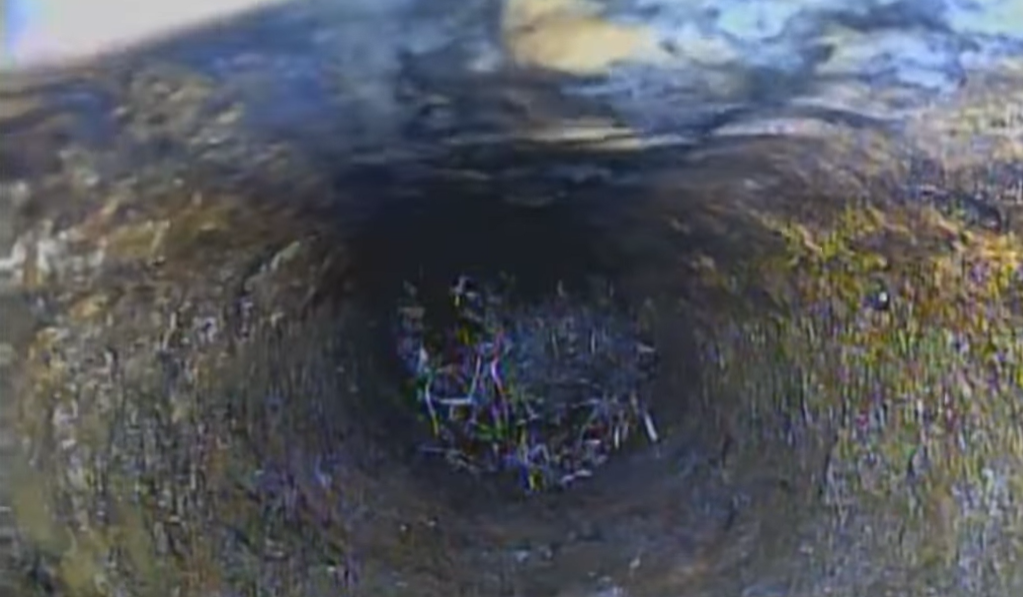
- Camera Inspection: A video camera is inserted into the line to locate the clog and assess any damage, typically costing $100 to $500.
- Clog Removal: Depending on the cause, they might use a plumbing snake (auger) for simple blockages or hydro-jetting (high-pressure water) for stubborn grease or roots.
- Post-Repair Check: Another camera inspection ensures the line is clear, and they may recommend preventive measures like root barriers.
- Cleanup: The area is sanitized to prevent health risks from sewage exposure.
For a standard clogged sewer line repair in San Antonio, Austin, or Lakeway, TX, expect costs around $250 to $650, though this can vary based on severity and method.
Steps to Repair a Damaged or Cracked Sewer Line
If the issue goes beyond a simple clog—such as a crack, break, or collapse—the repair process is more involved:
- Diagnosis: Using camera inspection to pinpoint the damage extent and location.
- Access the Line: For minor cracks, trenchless methods like pipe lining (inserting a resin-coated tube that hardens inside the pipe) or pipe bursting (pulling a new pipe through the old one) minimize digging.
- Repair or Replace: Seal cracks with epoxy liners, or replace sections if severely damaged. For full collapses, excavation might be needed to install new piping.
- Backfill and Restore: Refill trenches, repair landscaping, and test the system.
- Final Inspection: Ensure everything is sealed and functioning.
Repairing a damaged or cracked sewer line in these Texas areas typically costs $1,000 to $4,000 for partial fixes, but full replacements can range from $2,000 to $18,000 depending on length and method.
If you’re experiencing any of these issues, don’t wait—contact the team at Air & Plumbing Today. Our friendly plumbers are here to help with no trip fees, no diagnostic fees, and free estimates, 7 days a week for residential customers. Call (210) 519-5959 in San Antonio or (512) 859-5959 in the Austin-Lakeway area.

Our Offices
3615 Tavern Oaks San Antonio TX 78247
2009 FM 620 N Lakeway, TX 78734

Call or Text Us

Email Us

Hours
24/7 EMERGENCY SERVICE
(A live person always answers)
Our Offices
3615 Tavern Oaks San Antonio TX 78247
2009 FM 620 N Lakeway, TX 78734
Call or Text Us
Email Us
Hours
24/7 EMERGENCY SERVICE
(A live person always answers)
By submitting this form and signing up for texts, you consent to receive messages from Air & Plumbing Today LLC at the number provided regarding your request, updates about appointments and services or promotions and offers, including messages sent by autodialer. Consent is not a condition of purchase. Msg & data rates may apply. Msg frequency varies. Unsubscribe at any time by replying STOP. Reply HELP for help. Privacy Policy & Terms


Recent Comments